

Though Ecommerce has been around since the early 90’s with Amazon being the pioneer, the concept gained an extreme traction during the recent years and today is defined as a ‘multi-billion dollar a year industry.’ The phenomenon got even bigger during the pandemic – According to The U.S Department of Commerce, in the first half of 2020 alone, U.S consumers spent 347.2 billion dollars on online shopping, a 30% increase compare to the previous year. It is a no brainer that the world is changing rapidly and is shifting towards a remote lifestyle, so it shouldn’t be a surprise that the commerce world is acting accordingly. While in the past there was a common conception that in order to make a purchase a consumer should visit a physical location and examine the merchandise closely, it will be safe to say that in the modern area, this conception drastically changed, and many people nowdays prefer to shop online in the comfort of their own home.
Ecommerce is a process of exchanging goods and services over the internet. Consumers use websites or online marketplaces to purchase products using electronic payments. Upon receiving the money, the merchant ships the goods or provides the service. As a seller, the pros of having an Ecommerce business are obvious:
With that being said, it is very important to understand how to establish and operate this type of business properly, since there are numerous challenges that need to be addressed:
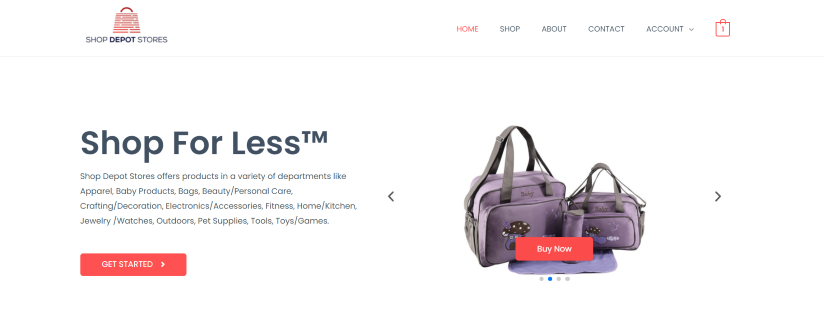
To summarize, an Ecommerce business can be a great adventure and a nice source for extra income, but can also be tricky. If you are considering it, do your own research, consult with professionals such as tax accountants, experienced developers and people who have/had this type of business in the past. Make sure you and/or your developer fully understand the various elements and requirements of it. If you choose to do so, I will be more than happy to further discuss the matter.
Usually replies quickly
Hey, how can I help you today?